

What Did We Learn from the Germans? – Sport Mobility Visit to the Deutscher Turner-Bund
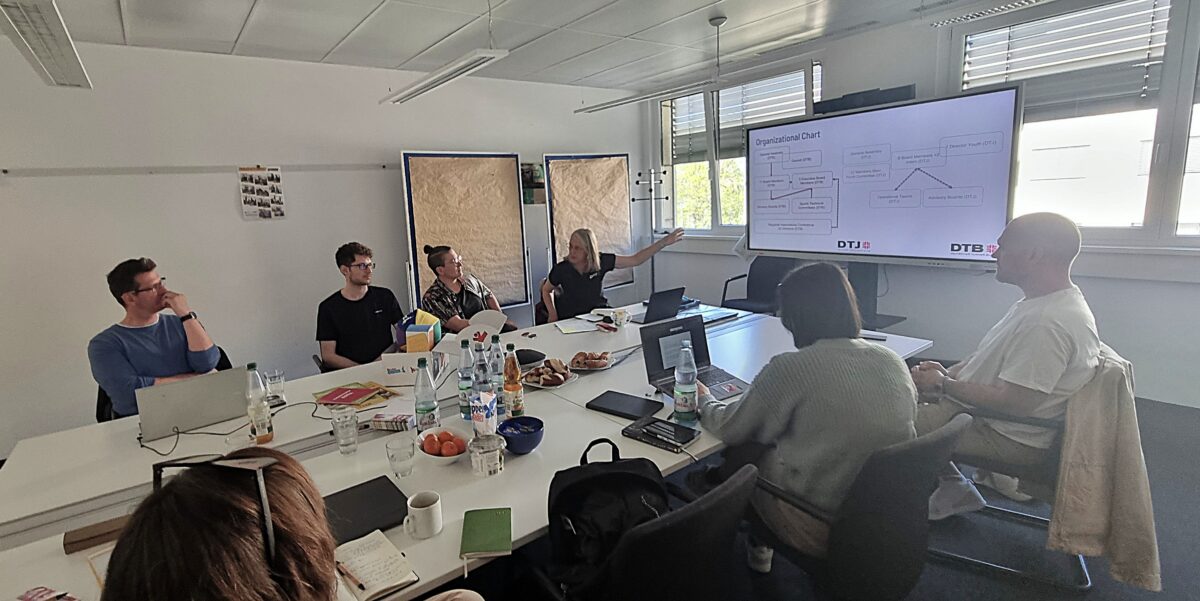
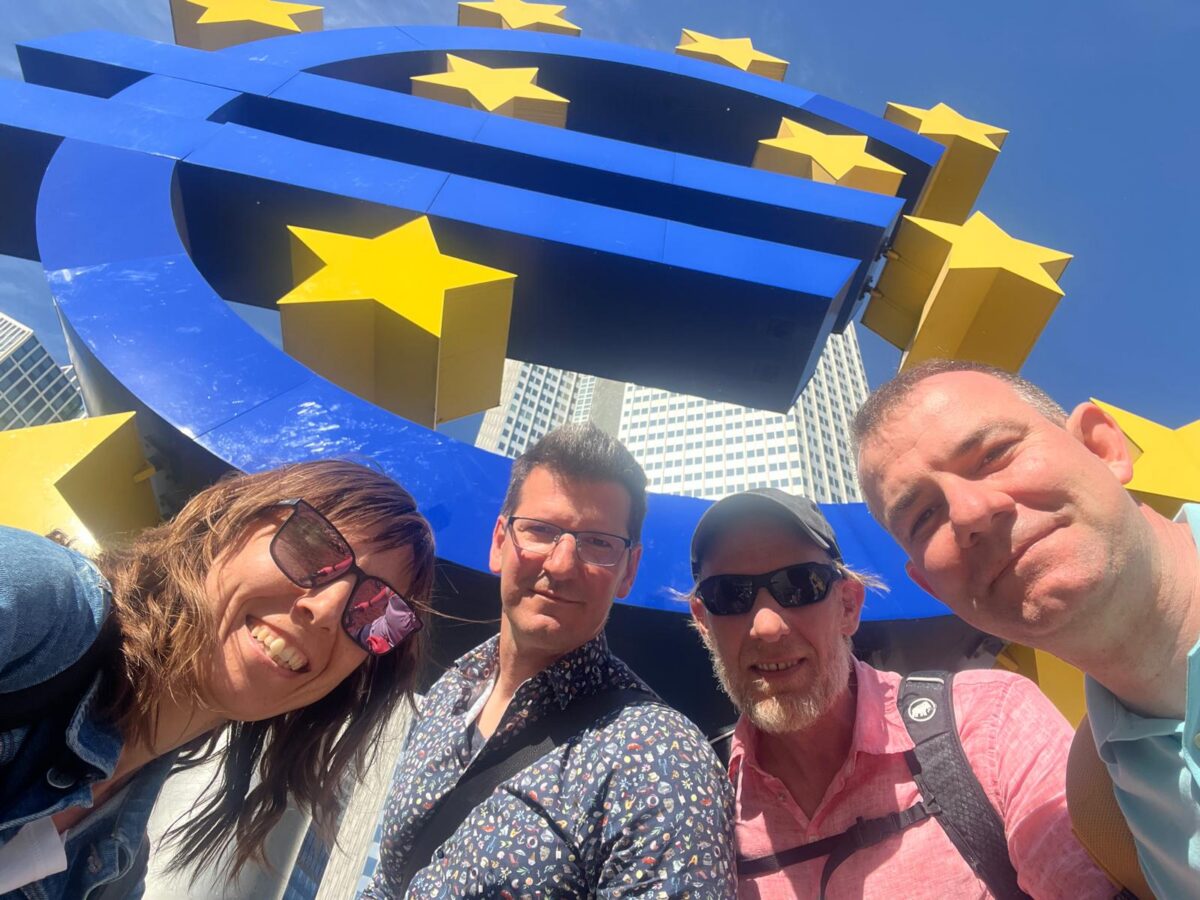
In April 2026, staff members of the Hungarian School Sport Federation (HSSF) took part in a professional study visit to the Deutscher Turner-Bund (DTB) in Frankfurt, one of Germany’s largest and most influential sports organisations. The visit was organised within the framework of the TRIPLE – Triple Jump Erasmus+ Sport Mobility Project. The main objectives were to explore German good practices in grassroots sport, strengthen international partnerships, and identify innovative approaches that could be adapted to HSSF programmes in the future.
With nearly 5.3 million members, the DTB is Germany’s second-largest sports federation, bringing together more than 16,000 sports clubs. The organisation places a strong emphasis on children’s and youth sport, recreational sport, and community engagement.
Meeting with ESSD Partners in Germany
One of the highlights of the visit was a professional meeting with the organisations responsible for implementing the European School Sport Day (ESSD) in Germany. Participants exchanged experiences related to both the European Week of Sport (EWoS) and ESSD and discussed opportunities for future cooperation.
The meeting once again demonstrated that building international partnerships is just as valuable an outcome of an Erasmus+ mobility project as acquiring new professional knowledge.
Young People as Decision-Makers
A particularly inspiring part of the programme was learning about the work of the Deutsche Turnjugend (DTJ). The DTJ is not simply the youth section of the DTB but an autonomous youth organisation with its own decision-making structure, representing approximately 2.4 million young people.
One of the strongest messages of the German model is that young people are not treated merely as a target group but as active contributors who participate in planning programmes and shaping the organisation itself.
We were also introduced to the Tuju Reporter programme, in which young people aged 16–26 create interviews, photos, videos and social media content at sporting events. The initiative is an excellent example of how young people’s competencies can be developed while simultaneously strengthening communication around sport.
Kinderturnen – Inspiring Children to Enjoy Movement
One of the most interesting professional topics was the Kinderturnen programme. Rather than promoting a specific sport, Kinderturnen focuses on developing children’s fundamental movement skills through playful activities. The programme helps improve coordination, strength, endurance, agility, movement confidence and social skills while fostering a lifelong enjoyment of physical activity.
Every November, the DTB organises the nationwide Tag des Kinderturnens (Children’s Gymnastics Day), bringing together hundreds of sports clubs, schools and kindergartens. Through open events, the initiative aims to introduce as many children as possible to the joy of movement and encourage them to participate in regular physical activity.
Inspiration for Future Programmes
The study visit provided numerous ideas that could be incorporated into HSSF programmes in the coming years. Particularly valuable were the approaches to youth participation, community-based partnerships and the strategic communication of grassroots sport initiatives.
The mobility in Frankfurt once again confirmed that the Erasmus+ programme is not only about expanding professional knowledge but also about building long-term international relationships that contribute to the continuous development of school sport and grassroots sport.
Green Travel in Practice
Alongside the professional programme, sustainability was also an important priority. The journey between Budapest and Frankfurt – approximately 2,400 kilometres in total – was completed entirely by train, significantly reducing the environmental impact of the mobility. In Frankfurt, participants travelled on foot and by rented bicycles, putting the project’s green principles into practice throughout the visit. The longer train journey also provided an excellent opportunity for participants to reflect on the professional experiences together and discuss how the newly acquired knowledge could be applied in Hungary.
The study visit was implemented within the framework of the TRIPLE – Triple Jump Erasmus+ Sport Mobility Project (Project ID: 2025-1-HU01-KA182-SPO-000299655).